AIMExpo 2026 Round-Up
For American Sport Touring, the new year begins at AIMExpo – the largest powersports industry conference in North America. Expectations this year were modest. Major product launches and headline-grabbing announcements had already taken place in November at EICMA, the world’s largest motorcycle expo. What we found instead was something arguably more important: a broad cross-section of the industry showing signs of stability, cautious optimism, and – most relevant for our readers – encouraging signals about the future of motorcycle sport touring.
Why AIMExpo Matters
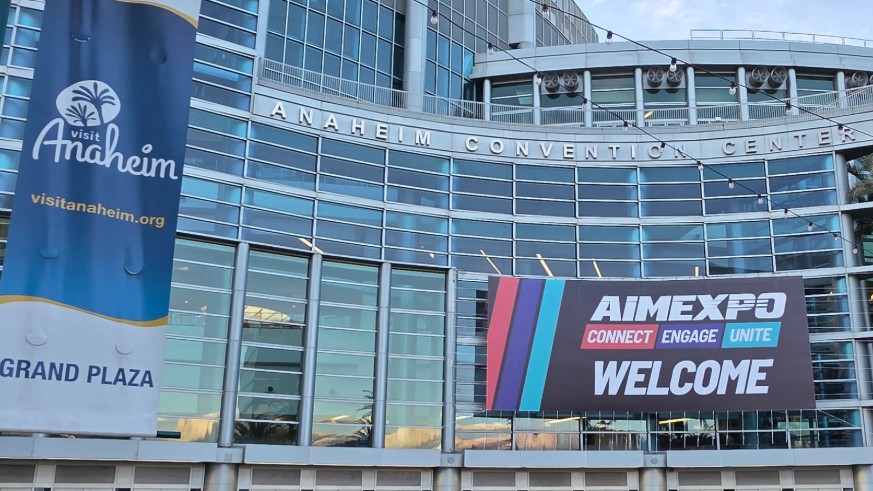
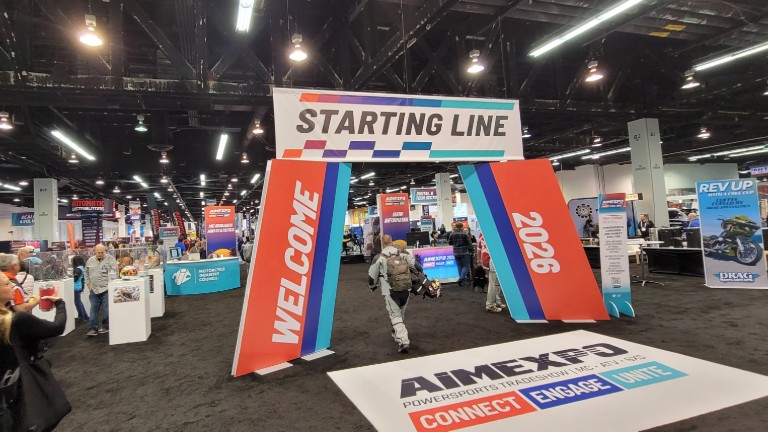
AIMExpo is North America’s premier powersports industry trade show, bringing together motorcycle, ATV, side-by-side, and electric vehicle manufacturers, along with parts suppliers, distributors, service providers, and dealers. The event is produced by the Motorcycle Industry Council (MIC) and is open exclusively to industry professionals and media.
Held January 7–9, 2026, at the Anaheim Convention Center, the show creates a single moment each year to exchange ideas, preview new products, and align around business, regulatory, and technology trends. From a sport touring rider’s perspective, AIMExpo matters because it is where many of the decisions that shape future motorcycles – what gets built, what gets updated, and what quietly goes away – are discussed.
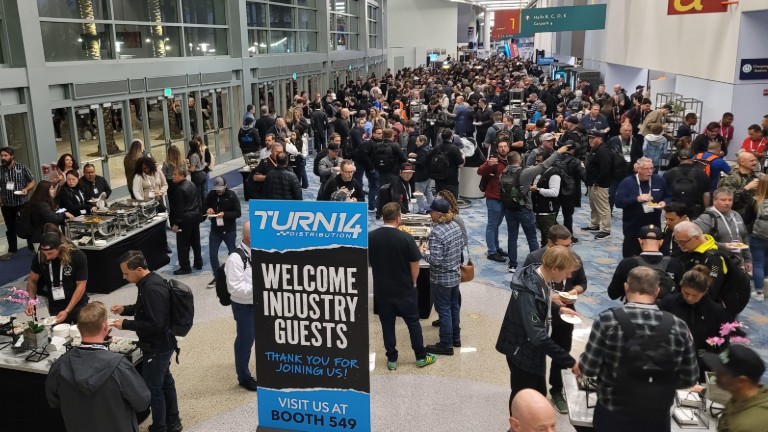
Attendance and participation at AIMExpo 2026 reflected that importance. Dealer registration was up year over year, overall attendance increased significantly, and the exhibit hall was sold out with a waitlist of brands hoping to participate. In a period often described as uncertain for the motorcycle industry, that level of engagement is a meaningful signal.
A Sport Touring Perspective
The sport touring segment remains one of many within a diverse motorcycling ecosystem, combining responsive sportbike characteristics with touring-inspired comfort and convenience for long rides. It makes far-off motorcycle roads accessible to sport-minded riders while at the same time giving touring riders a more capable machine when they get there. And while sport touring is our bread-and-butter, it remains a segment that the broader industry invests in with caution.
Conversations with manufacturers and suppliers revealed that caution centers around three interrelated forces.
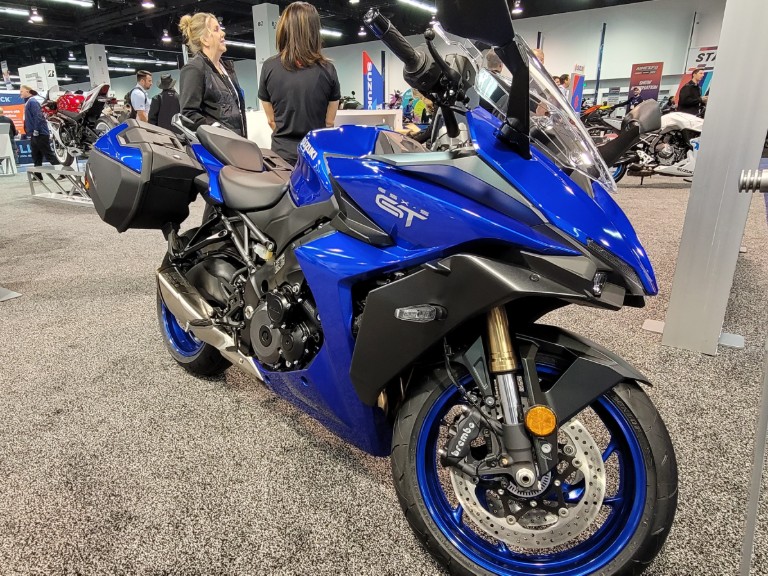
First, consumer choice has shifted over the past 15 to 20 years. Riders moved away from large, performance-oriented touring motorcycles toward lighter, more versatile machines. Manufacturers responded with adventure bikes and crossover models that promised comfort, technology, and flexibility. That trend now appears to be slowing. Recent introductions such as Suzuki’s GSX-S1000GT, Honda’s NT1100, and Kawasaki’s Ninja 1100SX suggest renewed confidence in purpose-built sport touring machines. Factory representatives we spoke with acknowledged this shift in direction while emphasizing that change is evolutionary, not sudden.
Second, regulatory pressures – particularly fuel economy and emissions standards – played a major role in reshaping the segment. For manufacturers like Yamaha and Kawasaki, the cost of re-engineering older platforms to meet Euro 5 requirements contributed directly to decisions to discontinue models such as the FJR1300 and Concours14. The industry has largely overcome those hurdles, opening the door to renewed investment in performance-oriented touring motorcycles.
Finally, there is the business reality of motorcycle manufacturing. Over the past decade, shifting consumer demand and tightening regulatory requirements steered limited manufacturer resources toward adventure, crossover, and other high-volume categories rather than traditional sport touring.
During that same period, manufacturers integrated advanced electronics, rider aids, and connectivity at a faster pace than at any other time in their history. Importantly, those gains have come without dramatic price increases when adjusted for inflation. The efficiencies, technologies, and development lessons gathered during that time are now well established – and increasingly ready to be applied to a renewed generation of sport touring motorcycles.
Notable Motorcycle Highlights
One of the most visible trends this year was the strong presence of Chinese manufacturers. From supersport machines to lightweight scooters, Chinese brands are entering the market with aggressively priced offerings that combine adequate quality and competitive feature sets. Dealer networks are still developing, but the products themselves are clearly positioned to disrupt established players. In some cases, even well-established European brands are manufacturing in China, underscoring the economic pressures shaping global motorcycle production.
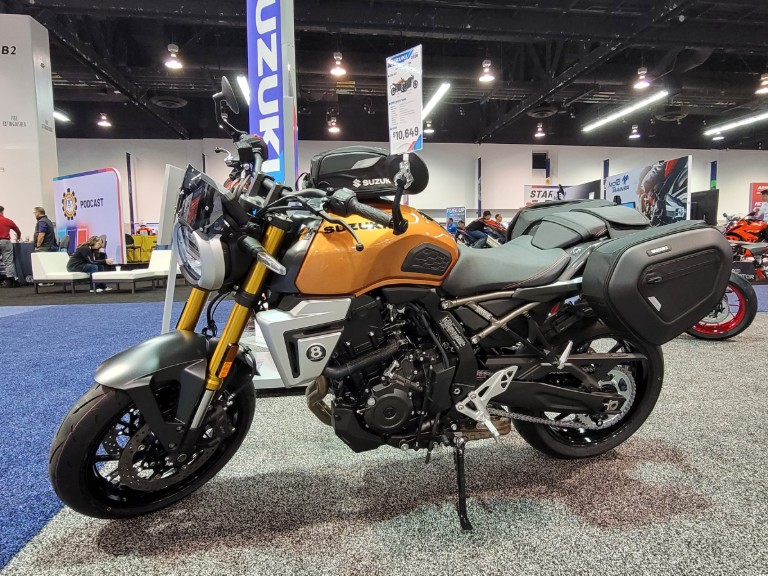
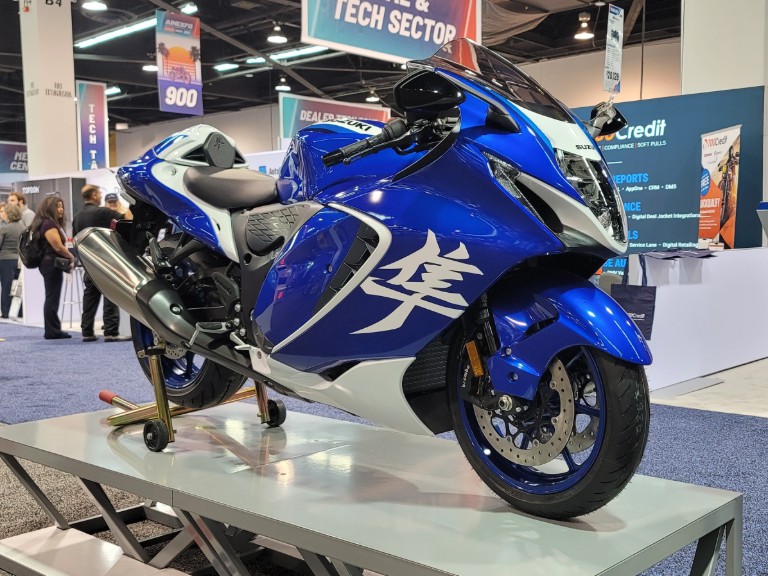
Suzuki is emerging as a committed ally of sport touring riders – particularly those who approach touring with a strong sportbike mindset. The GSX-S1000GT+ carries over into 2026 with only a color update, maintaining its position as one of the most compelling pure sport touring options available. Riders seeking smaller-displacement alternatives have the GSX-8T, while at the extreme some will adapt the Hayabusa into an unapologetically aggressive sport touring machine.
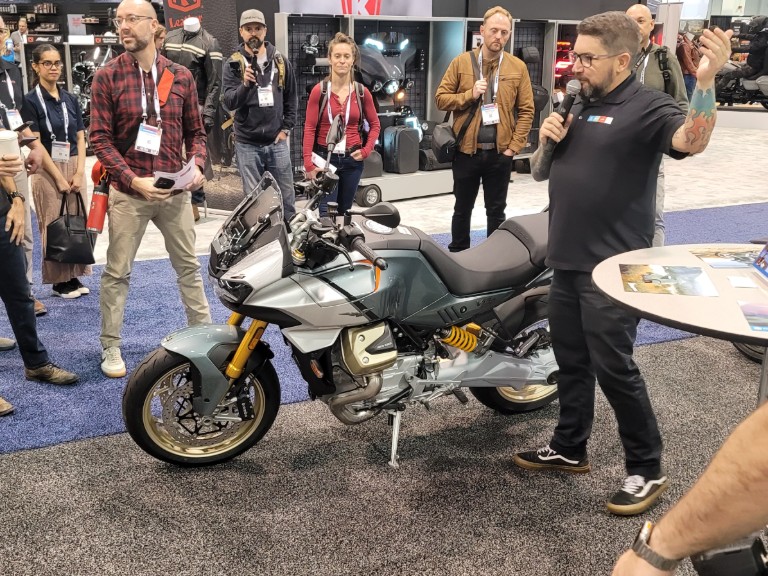
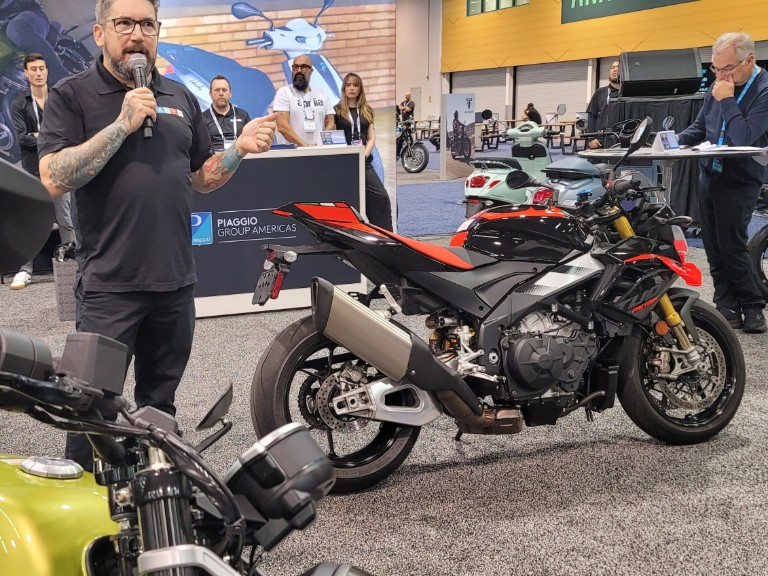
The Piaggio Group showcased the breadth of its Moto Guzzi and Aprilia portfolio. Moto Guzzi’s V100, notable as the brand’s first liquid-cooled engine platform, drew attention for its active aerodynamic system designed to reduce wind buffeting and improve weather protection. Aprilia, buoyed by growth since the introduction of the RS660, highlighted refinements including increased power and upgraded suspension components.
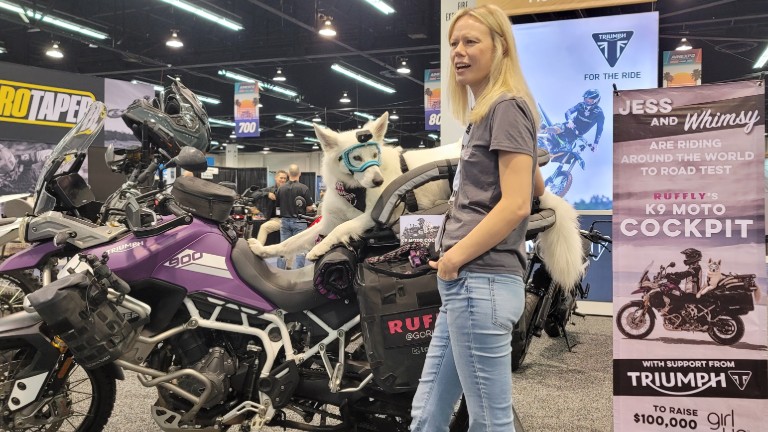
Triumph presented one of the show’s most compelling stories about Jessica Stone and her dog Whimsy, who have spent four years exploring South America by motorcycle. With support from Triumph, Stone – along with her husband Greg and Whimsy – plans to continue the journey into Africa while raising funds for Girl Up, a leadership development program established by the United Nations Foundation.
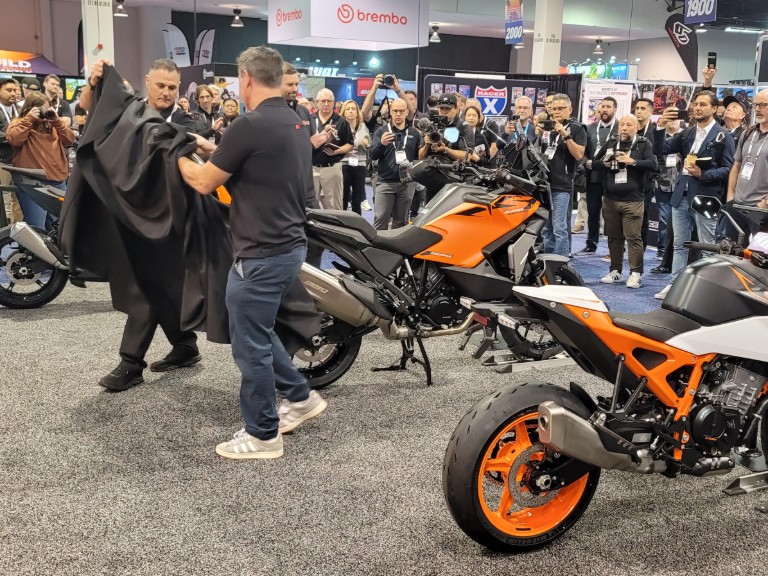
KTM drew attention with the unveiling of the 1390 Super Adventure S Evo. While an adventure bike by design, its comfort, electronics, and performance explain why many sport touring riders have gravitated toward large-displacement adventure platforms. That crossover appeal underscores how closely the two categories now overlap – and why advances developed for adventure bikes are increasingly relevant to the future of sport touring.
Honda emphasized technology and accessibility. The presentation centered on its evolving E-Clutch system, now paired with throttle-by-wire for smoother operation. Equally notable were strategic price reductions across several models, with cuts ranging from roughly $500 to as much as $1,000. For example, Honda reduced the CB650R E-Clutch by $700 and lowered the CBR500R by a full $1,000 – clear signals of an effort to attract new and returning riders alike. For sport touring purposes, the NT1100 DCT remains Honda’s clearest statement in the category, built on the Africa Twin platform and available with side cases.
Yamaha marked its 70th anniversary with commemorative graphics but did not unveil any new sport touring models at AIMExpo. In conversations with Yamaha representatives, we again confirmed that there are no current plans to announce a successor to the FJR, and that the Tracer 9 GT remains Yamaha’s primary offering in the sport touring category. Kawasaki likewise did not introduce new sport touring models at the show, and representatives confirmed that the Ninja 1100SX and the hypersport Ninja H2 SX are the brand’s current sport touring models, following model updates announced last fall.
More Motorcycling News
Beyond motorcycles themselves, AIMExpo 2026 highlighted important developments in gear, components, and industry relationships.
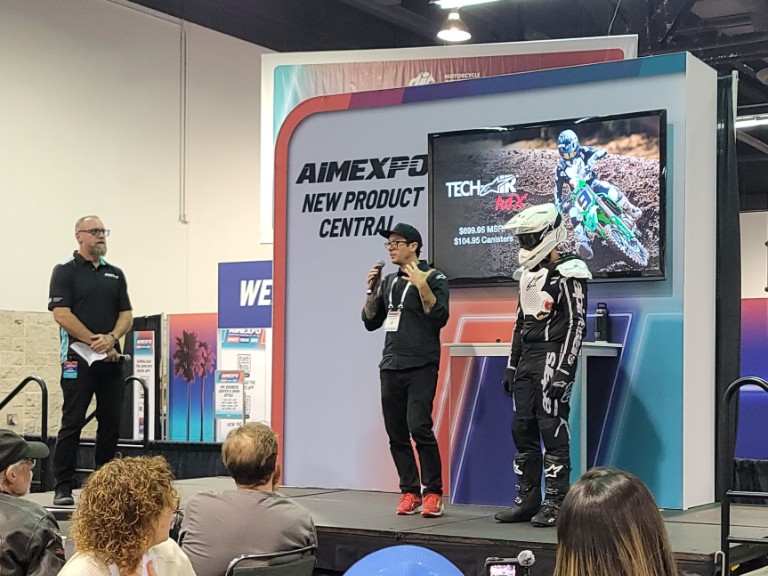
Alpinestars expanded its Tech-Air airbag lineup into motocross with the introduction of Tech-Air MX. Designed as a vest worn over or under riding gear, the system builds on established airbag technology while adapting and calibrating it for off-road riding scenarios.
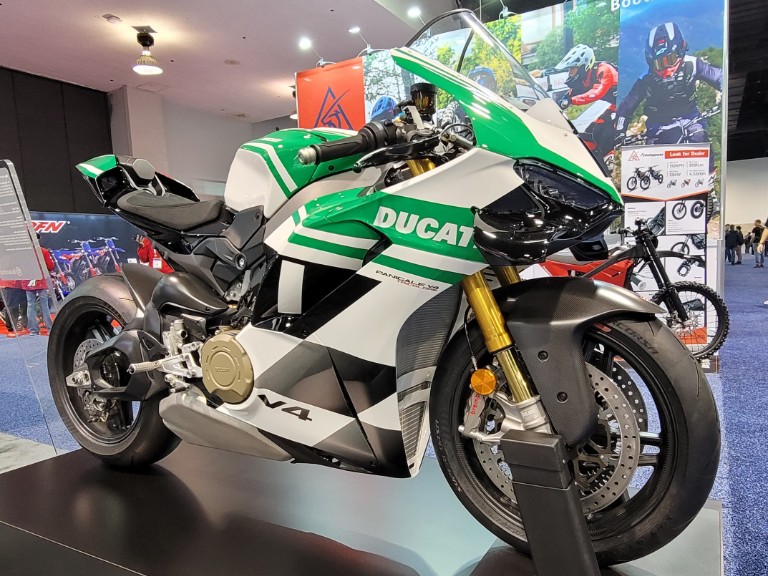
Brembo unveiled its newest brake disc design derived from World Superbike competition, the Finned T-Drive. The rotor incorporates cooling fins around the inside diameter to improve thermal stability and braking consistency. The disc made a high-profile debut as standard equipment on Ducati’s Panigale V4 Tricolore, reinforcing Brembo’s close ties to elite performance applications.
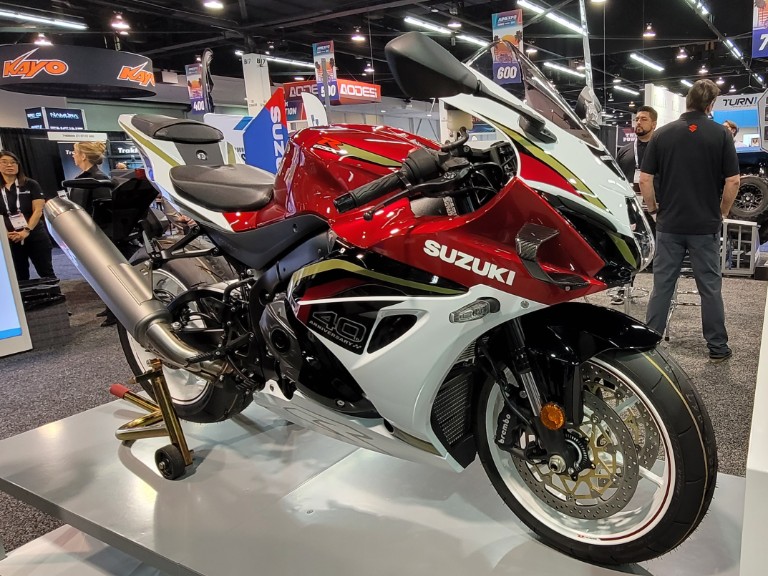
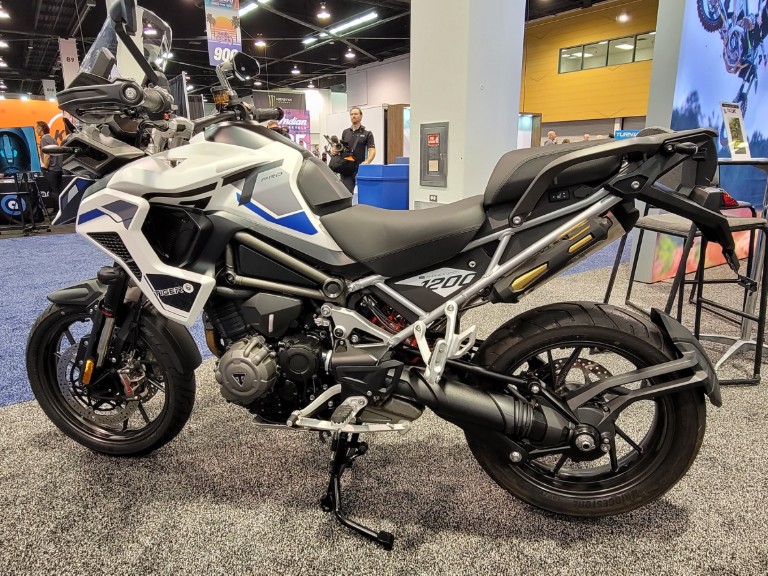
Suzuki and Triumph brought examples of recently announced special editions to the AIMExpo show floor. Suzuki displayed the 2027 GSX-R1000R 40th Anniversary Edition, which drew attention despite pricing and availability details still to come. Triumph showcased the Tiger 1200 Alpine Edition, a technology-heavy adventure crossover that, in practice, is likely to see far more road miles than trail use.
Tire manufacturers including Bridgestone, Continental, Dunlop, and Metzeler were present, all offering strong options for sport touring applications. None introduced new sport touring tires for 2026, reflecting the category’s typical multi-year development cycles. One noteworthy takeaway came from conversations with Continental representatives, who described their “Traction Skin” manufacturing process – designed to produce a slightly rough tread surface straight out of the mold, reducing the number of scrub-in miles required compared to traditional tire manufacturing methods.
Helmet innovation this year focused less on shell design and more on integrated electronics. Rider-to-rider connectivity, in particular, took a clear step forward. Established leaders Sena and Cardo both showcased helmets with built-in communication systems and expanded electronics, including crash detection and forward-facing cameras. Beyond those brands, several new entrants are driving rapid innovation in the communications space. Where only a few years ago riders were limited to line-of-sight mesh networks, newer systems can now seamlessly fall back on a rider’s cellular data connection, maintaining group communication regardless of distance.
Finally, AIMExpo once again proved valuable as a place for informal, substantive conversations. Events and gatherings hosted by companies such as Turn14 Distribution created opportunities to speak directly with product managers and industry leaders across the show floor. Consistently, those conversations reflected satisfaction with business outcomes from 2025 and a broadly positive outlook for 2026, including continued growth and an active response to evolving market trends and rider expectations.
Product Evaluations to Follow
As the powersports industry enters a new calendar year, AIMExpo 2026 offered a clear preview of where motorcycles, accessories, and supporting technologies are headed. As always, some of the most valuable insights came from conversations with industry representatives. Taken together, those discussions left us energized about the future of sport touring – and motorcycling more broadly. We are now looking forward to getting our hands on many of the products we saw in Anaheim so we can share a full evaluation with our readers.
Did you like this article?
Thank you for your feedback!
Please email the editor with any additional comments.
Your feedback is used only by American Sport Touring. We do not store or sell your information.
Please read our Privacy Policy.

by John DeVitis, Editor and Publisher
John DeVitis, Editor & Publisher of American Sport Touring, has spent years riding and writing with a focus on long-distance, performance-oriented motorcycling. His time on the road has revealed little-known routes across the United States and Canada, along with practical insights into the bikes, gear, and techniques that matter to sport touring riders. He draws on this experience, together with a background in digital publishing, to guide the editorial principles and clear vision behind American Sport Touring, delivering content riders can trust.