Pirelli Unveils 2026 WorldSBK Tires
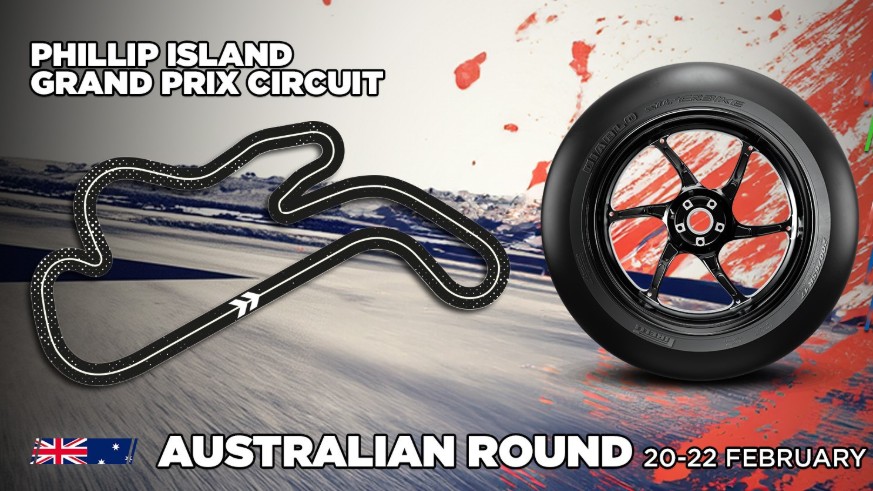
Pirelli has announced its tire allocation for the opening round of the 2026 FIM Superbike World Championship at Phillip Island, marking the company’s 23rd season as sole tire supplier to the production-based racing series.
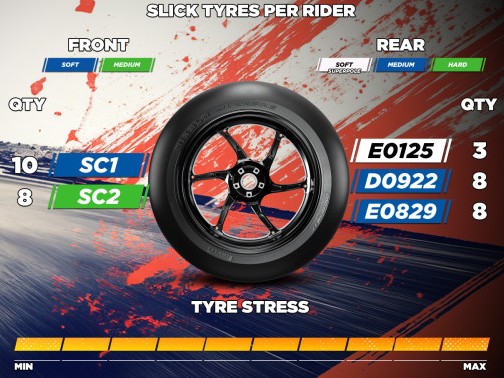
For the WorldSBK class, riders will have two front slick options available: the soft SC1 and medium SC2. At the rear, three solutions will be offered — the returning medium development specification D0922, the new medium E0829, and a soft E0125 specification reserved exclusively for practice sessions and qualifying.
The new E0829 rear tire uses the same medium compound as the D0922 but incorporates a revised internal structure designed to improve stability and deliver more consistent performance over race distance – a critical factor at Phillip Island, a circuit known for high-speed corners, heavy loading, and significant thermal stress on tires.
One of the most notable technical shifts for 2026 is the adoption of WorldSBK-spec tire dimensions in the WorldSSP class. Supersport riders will now use a 200/60 rear tire in place of the traditional 190/60, while front options expand to include both the familiar 120/70 and the larger 125/70 size long used in Superbike competition.
With the Phillip Island race in mind, Pirelli Motorcycle Racing Director Giorgio Barbier explained:
We have decided to use the sizes normally adopted in Superbike also for the Supersport class, moving to a 200/60 rear and offering a 125/70 front in addition to the 120/70. This allows heat to be dissipated more effectively, reducing the risk of overheating.” – Pirelli Motorcycle Racing Director Giorgio Barbier
Pirelli says the move to larger tire dimensions increases the contact footprint and heat exchange surface with the asphalt – a key strategy for managing the extreme temperatures and accelerated tire wear often encountered at the Australian circuit.
Pre-season testing ahead of the race weekend saw Ducati riders set the pace in both classes. Nicolò Bulega topped the WorldSBK timesheets with a best lap of 1’28.630, while Jaume Masiá led WorldSSP testing with a 1’32.525 lap in the final session of the two-day test.
A WSBK Lesson for the Street
While these tire choices are driven by racing conditions, they offer a useful reminder for sport touring riders considering their next set of rubber.
A 120/70 front tire typically delivers quicker turn-in and lighter steering feel. Stepping up to a 125/70 increases the contact patch and slightly raises the front profile, producing a more planted, confidence-inspiring front end under braking and through long, loaded corners – often at the expense of a touch of steering immediacy.
At the rear, the move from a 190/60 to a 200/60 generally brings stronger corner-exit grip and improved stability thanks to a broader footprint and taller sidewall. Steering can feel marginally heavier, but many riders appreciate the added composure, particularly on powerful machines or fully loaded sport touring setups.
The takeaway is simple: tire dimensions aren’t just fitment numbers. They’re a powerful way to tune handling character, grip feel, and stability – whether on a WorldSBK grid or a favorite stretch of winding back road.
Did you like this article?
Thank you for your feedback!
Please email the editor with any additional comments.
Your feedback is used only by American Sport Touring. We do not store or sell your information.
Please read our Privacy Policy.

by Staff Writers
The American Sport Touring writing team represents a diverse group of passionate sport touring motorcycle riders and industry experts dedicated to delivering insightful, well-researched content. Our contributors, both within the organization and guest writers, bring deep firsthand experience with sport touring motorcycles, gear and accessories, and destination discovery and route planning. No matter the assignment, each upholds the American Sport Touring commitment to high-quality, informative, and trustworthy content.