
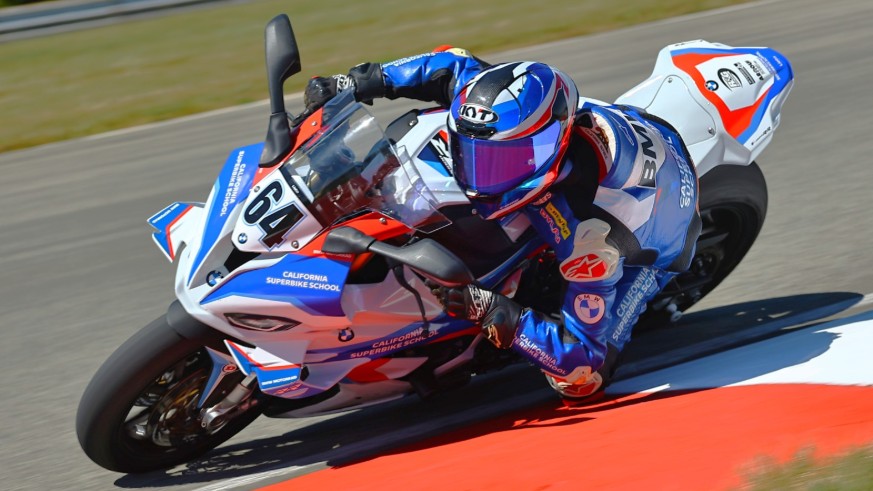
What Experienced Riders Still Get Wrong
Editor’s note: This article, written by guest contributor Dylan Code, brings a coach’s insight to unlock the subtle skill gaps that often affect even experienced riders.
Many people have heard about the study where 70% of the programmers at a company rated themselves as above average. Apparently, when we see someone we consider incompetent, we unconsciously label them as average, which automatically places us above average. Of course, 70% of a group can’t actually be above average.
Experience Doesn’t Eliminate Mistakes
If you’re like many motorcyclists who have stuck with the sport for many years, that’s something to be proud of. Riding a motorcycle has a way of ejecting incompetence, usually by medical means – meaning injury. However, no matter how highly we regard ourselves as riders, we are invariably faced with moments where we feel out of control on the motorcycle. This usually boils down to running wide in a corner, or some other error related to getting the direction or the speed wrong.
Why Riding Errors Aren’t Random
These moments can range from slightly annoying all the way to full terror. So yes, these humbling experiences arrive from time to time, and they are a reminder that we all have holes in our skill set. The good news, in our experience at the California Superbike School, is that these errors tend to follow repeatable patterns. What that means is that a skilled coach can follow a rider and notice things that a casual observer would never pick up on. These are often very subtle indicators of a more basic flaw in a rider’s fundamental skills.
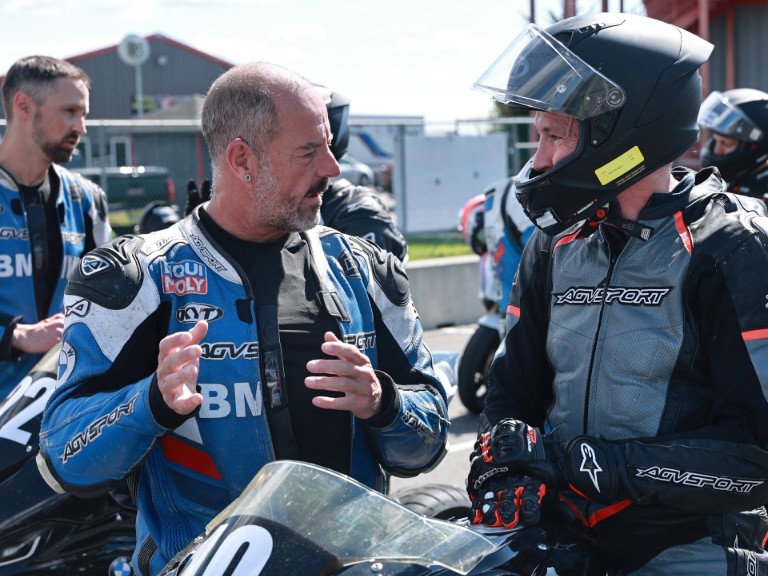
Framed positively, we could call this an area of opportunity. Framed negatively, we might say the rider “sucks” in some way. The negative framing isn’t productive because it puts attention on the wrong thing, so we prefer to view these areas as potential gains.
When a Strength Is Actually a Weakness
A similar phenomenon that most people are familiar with is the Dunning–Kruger effect, where people with low ability tend to overestimate their competence. In motorcycle riding, a surprising version of this plays out as follows: a rider may have a technical flaw in their skill package, and not only are they unaware that it’s a flaw, they actually consider it one of their strengths.
For example, someone might believe they are very good on the brakes, when in reality they are consistently rushing corner entry. This forces them to either use excessive lean angle or over-slow the bike, resulting in throttle errors later in the corner. Another example is a rider who believes they are competent because they can lean the bike very far, when in reality they are spiking lean angle mid-corner due to a poor entry line.
Why Self-Diagnosis Usually Fails
Going back to what I said earlier, even if a rider is traveling at a mellow pace, a skilled coach can pick up on the slightest indicators that these more serious flaws exist beneath the surface. This is a strong reminder that a professional coach can often do more for a rider than hundreds of hours of YouTube videos and online resources.
That said, the availability of information online is fantastic, and we’re all better for it. But when it comes to skill development and safety in an activity as potentially dangerous as riding a motorcycle, professional coaching is worth it – not only for safety, but for the confidence and enjoyment it creates.
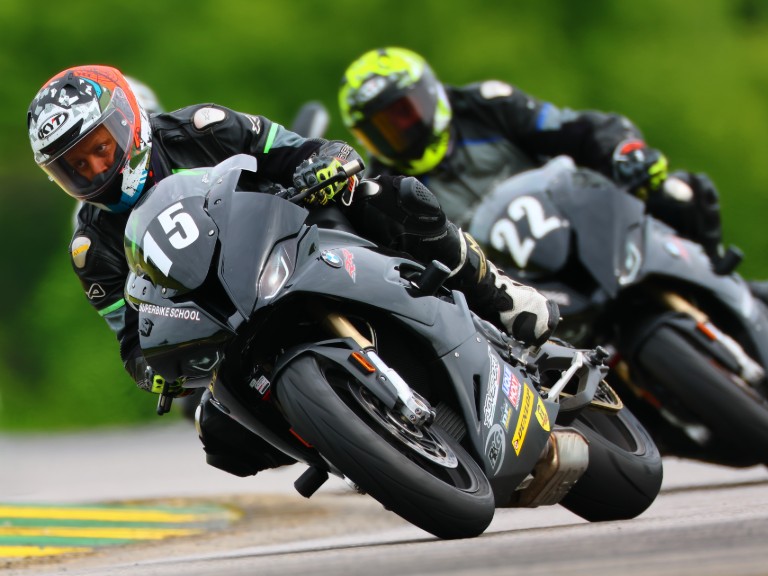
To further illustrate this point, at the California Superbike School we’ve identified 23 different reasons a rider can run wide in a corner. Most people will simply assign this to “going in too hot,” but in reality there is a wide range of causes. Collectively, running wide is probably one of our greatest fears when riding a twisty road alone. I could list all 23 reasons, but that would be an academic exercise that isn’t likely to help anyone directly. The real value comes from having a trained professional observe you and determine where your time and attention will produce the greatest improvement.
If a rider has a flaw in their skill package, self-diagnosis is often futile. As mentioned earlier, sometimes riders believe their biggest flaw is actually their biggest asset.
What Makes a Good Coach
When hiring and training coaches, it’s surprisingly difficult to find the right combination of qualities. Being a good rider is just the beginning. In fact, we don’t always choose someone who is blazing fast. Coaches must be keen observers and genuinely enjoy seeing other people improve – which not everyone does. Some people view others as competitors they must beat or dominate in order to establish seniority. Those people have no place in a coaching environment.
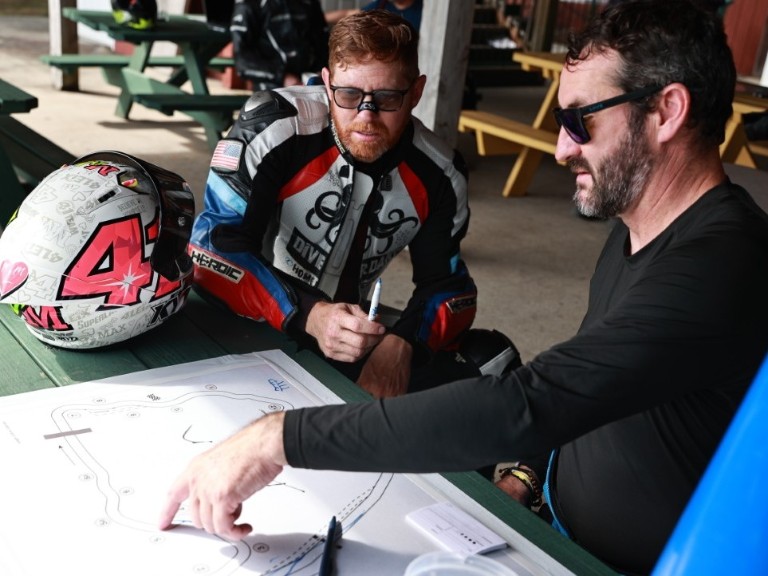
I would even rank a coach’s soft skills above their outright speed on track – though of course, ideally, we want both. While we do get students who are very fast, most of our riders are typical country-road or canyon-road riders who simply want to improve their riding skills and continue enjoying a sport they love.
Riding Better for the Long Term
Experienced riders often assume their skills are complete, yet many of the challenges we face on the road stem from subtle gaps we don’t recognize – or misinterpret as strengths. This is why seeking professional coaching from time to time can be so valuable. You’ll gain guidance that you can carry with you on every ride going forward. If your goal is to keep enjoying twisty roads with confidence for years to come, investing time in understanding your riding habits may be one of the most valuable upgrades you can make.
About the Author — Dylan Code
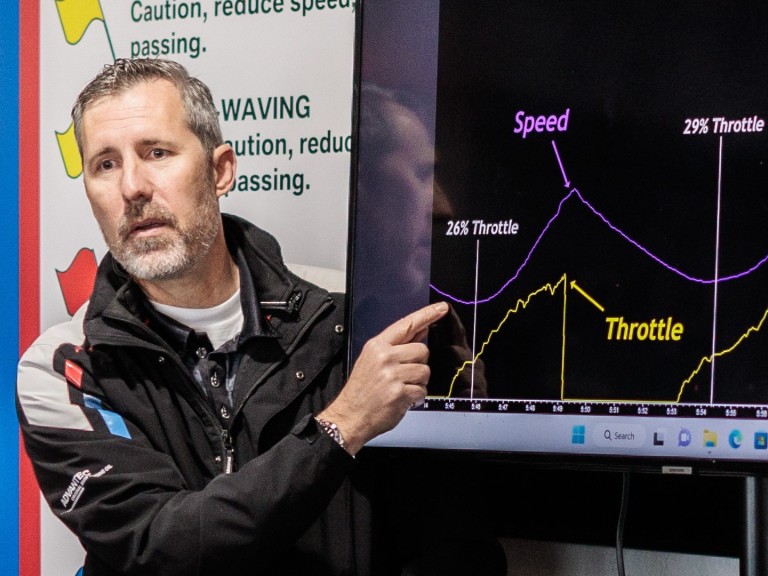
Dylan Code is a motorcycle coach with the California Superbike School, known for his expertise in cornering technique and the science of motorcycle control. He has trained riders worldwide and focuses on helping them build confidence and understanding through practical, physics-based instruction.
Did you like this article?
Thank you for your feedback!
Please email the editor with any additional comments.
Your feedback is used only by American Sport Touring. We do not store or sell your information.
Please read our Privacy Policy.