Guide to Motorcycling in the National Parks
Editor’s note: This article was updated for the 2026 riding season to reflect current National Park Service information and guidance.
National parks are perennial favorites for sport touring motorcyclists. The combination of unblemished natural beauty and meandering roads seemingly made for motorcycling is hard to beat. So much so that every year it seems more and more people from all over the world are crowding into national parks across the country.
A well thought out travel plan will make your visit memorable. Here’s what you should know to get the most from your motorcycle ride in America’s national parks.
Many National Parks to Choose From
There are 61 national parks scattered across the 50 states, plus one each in American Samoa and the US Virgin Islands. Each of these 63 parks boasts scenic landscapes, historical interest, and a variety of interesting landmarks. The best known parks are famous for their signature attractions. For example, the Grand Canyon, Old Faithful in Yellowstone, or the Great Smoky Mountains. But the history and scenery in the majority of national parks is more obscure, requiring a little research to discover.
Guidebooks are a reliable source of information about park history, attractions, and amenities; for example, Your Guide to the National Parks by Michael Joseph Oswald, published by Stone Road Press. Many authors take the time to group parks into lists around themes such as attractions, lodges, and the like making it easier for readers to focus on parks that cater to their specific interests.
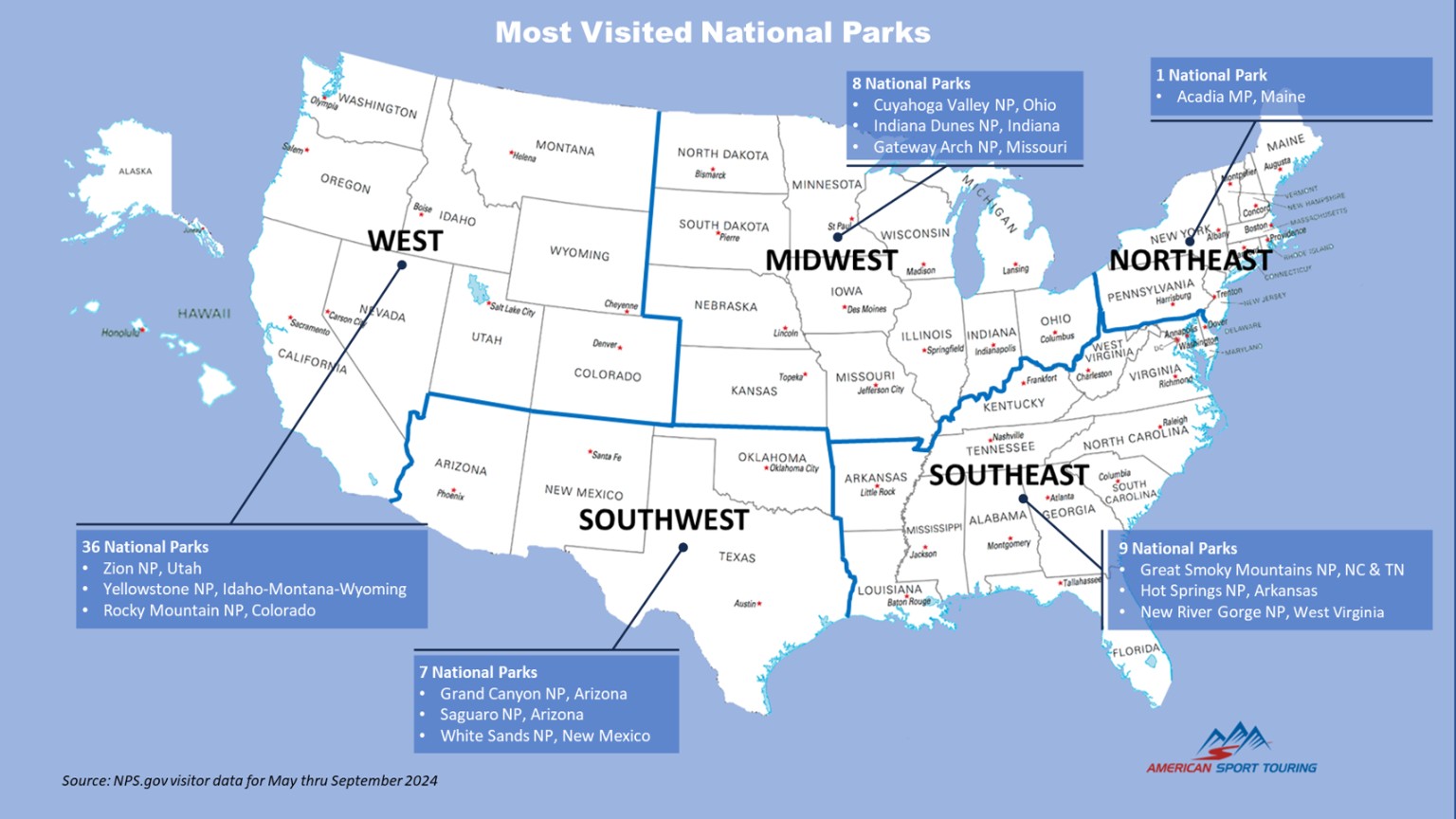
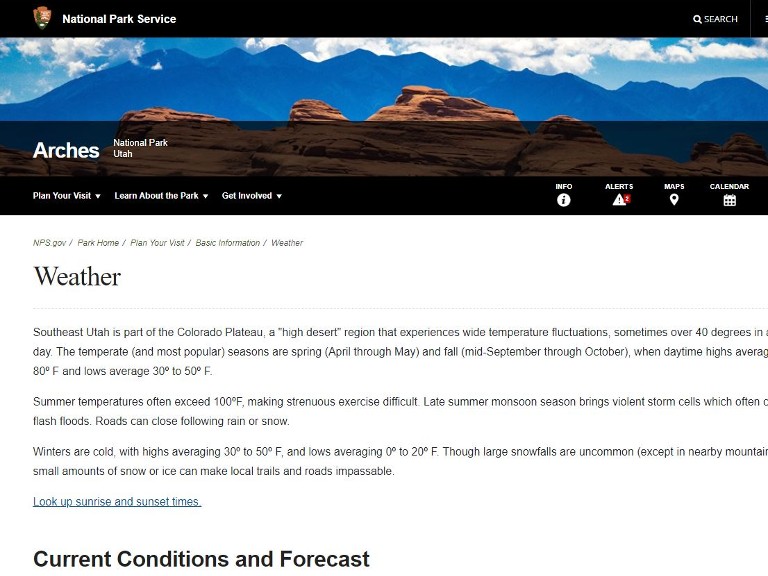
As your list of parks narrows, use the National Park Service website to check alerts, current conditions, road status, seasonal closures, and active construction before you go. The park service site also includes helpful seasonal weather tables. Unfortunately, information about visitor traffic patterns is harder to find. We previously collected park visitor data and summarized it by region in the related article Explore Your National Parks.
Don’t Overlook Other Significant Sites
National parks are the crown jewels of the US National Park system. But there are many other sites worth including in a route plan. The National Park Service also maintains hundreds of parks designated as National Monuments, Historic Sites and Trails, and National Preserves. Like national parks, these sites were set aside to protect significant natural, cultural, and historical resources for the enjoyment of generations to come. The historic or scientific significance in many cases rivals nearby parks.
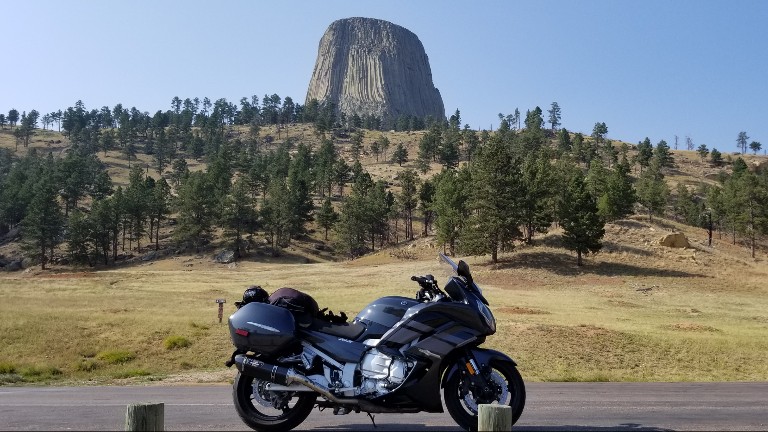
Often within a hundred miles or so of a national park, these national monuments and historic sites are easy to work in to a route plan. Again, refer to the National Park Service website for detailed visitor information.
Seasonal Weather
Weather plays a crucial role on any ride. With the national parks spanning the continent, often in remote areas because of their unique environment, it comes as no surprise that weather conditions vary widely from park to park and season to season.
Be prepared for weather extremes. Yellowstone is famous for surprising visitors when a sunny morning turns into a hail-filled afternoon. Parks in the east frequently expose riders to sudden downpours. While these weather events are typically short-lived, they do make for uncomfortable if not dangerous riding.
The National Park Service provides current and seasonal weather information for each park. The website is a good starting point for deciding when to ride, but always double-check the weather as the ride approaches using both the park website and a trusted weather site like Accuweather. In higher-elevation parks especially, summer weather can still turn quickly with rain, hail, wind, or abrupt temperature swings.
Reservations Sometimes Required
Dealing with stop-and-go traffic is frustrating anytime, but no more so than when it takes away from enjoying the natural beauty on display everywhere in a national park. And congestion at scenic overlooks and other landmarks leaves little space for picture taking or simply savoring the moment. To manage congestion at some high-visitation parks, the National Park Service and individual parks may use timed entry, vehicle reservations, parking controls, or other access-management tools.
Reservation requirements vary by park and season. Some parks use timed entry only during peak visitation periods, and the rules may apply only to certain park areas or times of day. For example, Rocky Mountain National Park continues to use timed entry in 2026 during its peak season, with reservations released through Recreation.gov on a rolling basis and additional reservations released the evening before arrival. In some cases, visitors with campground, lodging, or other qualifying reservations may not need a separate timed entry reservation, depending on the park’s rules for that season.
Refer to this article for a comprehensive list of national parks organized by region. Thinking about a sport touring riding through one of America's amazing national parks? This guide has everything you need to start planning. [read the article]
When required, a timed entry reservation typically allows one vehicle or motorcycle to enter during a defined arrival window set by the park. Reservations are separate from, and in addition to, park entrance fees. To obtain a reservation go to the Recreation.gov website. When a timed-entry reservation is required, the reservation is typically made through Recreation.gov and may carry a non-refundable processing fee.
One last point about reservations; some activities, such as parking, hiking, climbing, and day use, may require a separate permit. Depending on the park and time of year, the number of permits issued each day may be limited to control congestion and protect park resources from overuse.
The Park Service may update these rules throughout the year. For current information on each park’s reservation and permit requirements and to purchase a reservation or permit, visit the National Park Service website or Recreation.gov.
Because access rules can change seasonally or even during the year, check the specific park’s NPS page and Recreation.gov shortly before your trip.
Entrance Fees and Park Passes
The National Park Service collects a fee for each vehicle entering most national parks; some, like Great Smoky Mountains National Park, do not charge an entrance fee, although a parking tag may be required for vehicles parked longer than a brief stop. When an entrance fee is required, it is separate from, and in addition to, other permits and covers the vehicle and everyone in it (up to 15 passengers). An entry pass purchased at the gate is good in the same park for seven consecutive days from the date of purchase.
The cost of a standard entry pass varies from park to park, and motorcycles are often charged slightly less than passenger vehicles. Current fees are posted on each park’s website.
If you plan to visit several parks, or if you are a senior age 62 or older, you might consider a park pass. In 2026, an annual America the Beautiful Pass costs $80, while seniors can purchase an annual Senior Pass for $20. For even greater value, seniors can purchase a lifetime Senior Pass for $80. Passes are good at national parks and over 2,000 federal recreation sites across the country. For 2026, riders can also buy a digital America the Beautiful Pass through Recreation.gov and save it directly to a mobile device.
Park Etiquette for Motorcyclists
National parks are somewhat like sanctuaries. While they are filled with temptingly twisty roads, riders should do their best to exercise restraint. That’s particularly so in areas near trails and vista points. But of course, parks are vast and roads stretch out for miles with minimal traffic. In areas like that, concern centers on colliding with a wild animal, especially deer. As always, use your better judgment.
Motorcyclists should generally expect state traffic laws such as helmet requirements to apply, but national parks are also governed by federal regulations and park-specific rules. Follow the speed limits. When riding in a group, don’t hold up traffic. Pass (and be passed) with care. And for adventure riders out there, try to stay on properly designated roads.
When it comes to parking, motorcyclists have a lot of options as long as they don’t block traffic, pedestrian walkways, or scenic views. Nevertheless, when possible, use designated parking to keep your motorcycle (and you) out of harm’s way.
When stopping for pictures, do your best to pull completely off the road. Use established pullouts whenever possible. This probably goes without saying but be careful approaching wild animals. While they share the park with visitors, they are nevertheless wild and unpredictable.
Bottom line, respect the park and your fellow visitors. Treat it like you own it, because in many ways you do.
Visitor Centers, Park Amenities, and Events
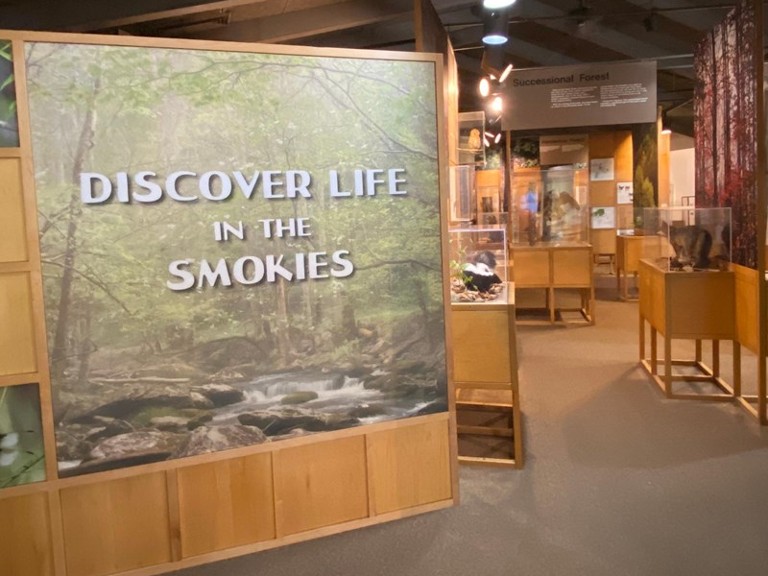
If you believe that the national parks are living museums, then you should think of the visitor centers as museum stores. In fact, every national park has a visitor center that serves up more than souvenirs. Located near the entrance, the park visitor center should be everyone’s first stop. Inside, visitors will find park maps, and helpful Park Rangers who are always happy to answer questions. This is the place to get familiar with the park geography and wildlife you will encounter, and learn the history of the park and surrounding area.
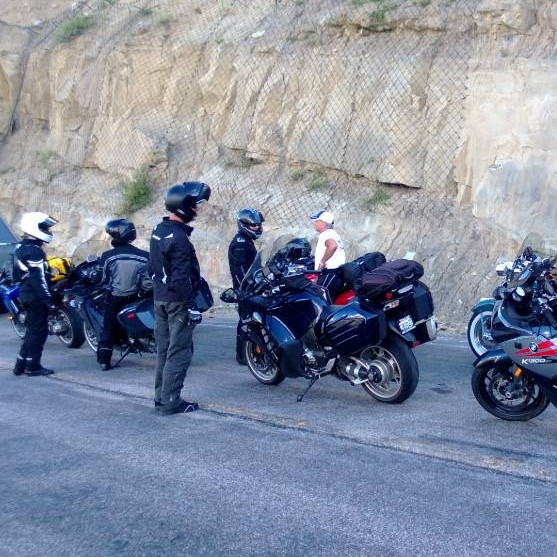
Road projects are common in national parks throughout the summer. Most projects are relatively small, but some can cause significant traffic delays. Refer to the park website’s alerts, current conditions, and road-status pages to plan around construction, and remember to check current road information at the visitor center as well.
The National Park Service hosts a wide range of events in the national parks throughout the year. Some are ranger-led educational programs covering wildlife, geology, and historic events, others are cultural demonstrations, while still others celebrate special occasions such as the anniversary of a park’s founding. Use the National Park Service Event Search page or ask at the visitor center to find out if any events are planned during your visit.
The official NPS app is also worth downloading before a trip, especially because it can help riders navigate parks, review alerts, and keep key park information handy on the go. Before leaving cell coverage, be sure to download the app and save the park information you’ll want on the road.
Inspiration and More
The National Park Service works tirelessly to inform and inspire visitors. Each park is different, highlighting unique landscapes and historic sites; but nevertheless, featuring iconic road signage, friendly visitor centers, and so many other architectural cues.
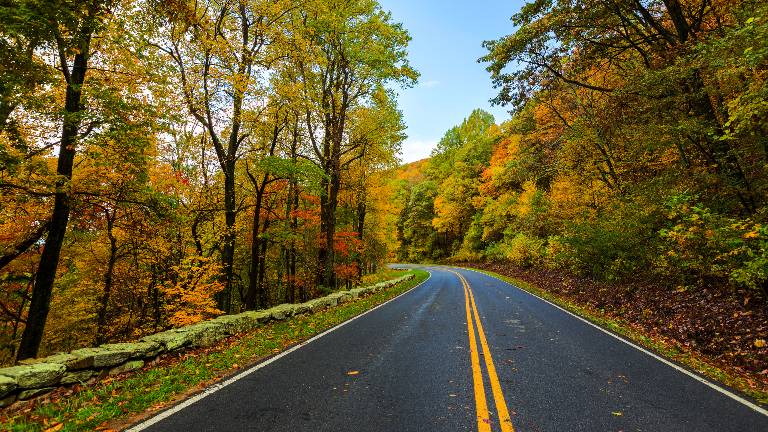
Don’t be surprised if riding through a national park takes on a spiritual dimension, as the vast landscapes and untouched natural beauty can inspire a deep sense of awe and connection with the history that shaped our country.
Additional Resources
| Resource | Description |
|---|---|
| Explore Your National Parks | A comprehensive and cross linked list of national parks with updated visitor information from American Sport Touring. |
| National Park Service website home page | Start here to find and explore everything about each national park from weather to roads to special events. |
| National Park Service event search page | Use this link to look for special events of interest that may be scheduled at any of the national parks. |
| National Park Passes | Current information about entrance passes, senior passes, and digital pass options. |
| NPS App | Download the official app for park information, alerts, and trip planning on the go. |
| Recreation.gov | This is the place to go for timed entry reservations and to pre-purchase permits for activities, as well as standard entry passes (i.e. for a single park visit) and digital park passes. |
| USGS Store | Head to the US Geological Survey site to purchase physical America the Beautiful and Senior passes by mail. |
| Accuweather | This site has useful long-range (i.e. months into the future) forecasts that augment weather indications taken from the National Park Service weather almanac. |
Did you like this article?
Thank you for your feedback!
Please email the editor with any additional comments.
Your feedback is used only by American Sport Touring. We do not store or sell your information.
Please read our Privacy Policy.
by Staff Writers
The American Sport Touring writing team represents a diverse group of passionate sport touring motorcycle riders and industry experts dedicated to delivering insightful, well-researched content. Our contributors, both within the organization and guest writers, bring deep firsthand experience with sport touring motorcycles, gear and accessories, and destination discovery and route planning. No matter the assignment, each upholds the American Sport Touring commitment to high-quality, informative, and trustworthy content.