Autumn Motorcycle Riding Cautions
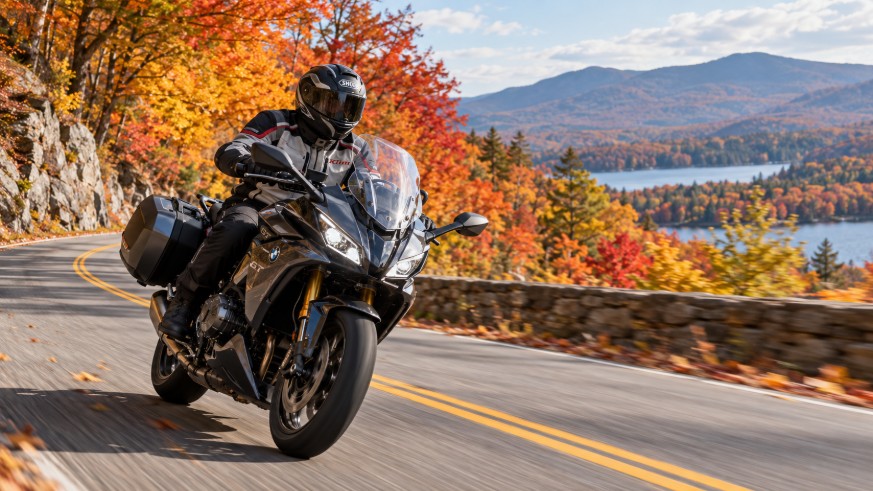
Few seasons offer motorcyclists a more rewarding riding experience than autumn. Cooler air, colorful foliage, and winding roads framed by brilliant reds and golds create ideal conditions for a memorable sport touring adventure. But the same seasonal changes that make fall riding so appealing also introduce hazards that deserve extra attention.
Shorter days, falling temperatures, wet leaves, and increased wildlife activity can turn otherwise familiar roads into more challenging riding environments. Unlike summer, when conditions are often relatively consistent throughout the day, autumn can bring significant changes in temperature, visibility, and traction over the course of a single ride.
The Motorcycle Safety Foundation (MSF) encourage riders and motorists alike to recognize these seasonal risks and take practical steps to reduce them. For sport touring enthusiasts who routinely cover long distances, often crossing different elevations and weather conditions, a little extra preparation can make an important difference.
Cooler Temperatures Change Tire Performance
One of the first considerations for fall riding is tire pressure. As ambient temperatures drop, the air pressure inside motorcycle tires decreases. A tire properly inflated during a warm afternoon may be below its recommended pressure on a cold morning.
Check tire pressures before riding, while the tires are cold, and adjust them according to the motorcycle manufacturer’s recommendations for the load being carried. This is particularly important for sport touring motorcycles carrying luggage or a passenger.
Cold pavement also affects traction. Motorcycle tires generally require more time to reach their intended operating temperature in cooler conditions, and the available grip may be reduced, especially on wet pavement.
During the first miles of a fall ride, use smooth throttle inputs, gradual braking, and controlled steering. Even after the tires warm up, remember that cold pavement and changing surface conditions can limit available traction.
Wet Leaves and Road Debris Demand Attention
Autumn leaves may create beautiful scenery, but they can also conceal hazards. Wet leaves reduce traction, particularly when accumulated in corners, at intersections, or along the edges of the roadway.
Leaves can also hide gravel, potholes, and other irregularities in the pavement. Rural and mountain roads may present additional hazards from rainwater runoff, fallen branches, and debris deposited by passing vehicles.
When approaching a leaf-covered section of road, reduce speed before reaching the hazard, maintain a smooth line, and avoid sudden braking, acceleration, or steering inputs. Where practical, choose a path that provides the cleanest visible pavement.
Pay particular attention to shaded corners. Moisture can remain on the pavement long after nearby sunlit sections have dried. As temperatures approach freezing, shaded areas and bridges may also develop frost or ice.
For riders accustomed to carving through winding roads, autumn rewards a more measured pace and a greater willingness to adjust corner entry speeds to changing conditions.
Plan for Shorter Days and Changing Visibility
Daylight becomes increasingly limited as autumn progresses. A route that comfortably fits into a summer afternoon may leave a rider traveling after sunset in the fall.
This matters particularly on longer sport touring rides, where sightseeing stops, traffic delays, or an unexpectedly slow stretch of road can push arrival times beyond daylight hours.
When planning a fall ride, account for sunset and consider building additional time into the itinerary. If possible, complete unfamiliar mountain or rural sections before darkness.
Visibility is also a concern during daylight hours. Low autumn sun angles can create glare for riders and drivers, particularly during morning and late-afternoon travel.
Wearing high-visibility or reflective riding gear can help other motorists recognize a motorcycle. Keeping headlights, taillights, and turn signals clean and functioning is equally important.
Auxiliary lighting, when properly installed and aimed, can improve conspicuity and nighttime illumination. However, additional lights should complement rather than replace careful speed selection and active scanning.
Dress for the Entire Ride
Autumn temperatures can vary considerably from morning to afternoon and from one elevation to another.
A comfortable 65-degree afternoon can give way to a much colder evening, particularly when riding through mountain passes or open countryside. Add the effects of wind and damp weather, and an inadequately dressed rider can become uncomfortable surprisingly quickly.
Layering is one of the most effective strategies. A moisture-wicking base layer, insulating midlayer, and wind-resistant outer riding jacket allow riders to adjust their clothing as conditions change.
Heated grips, heated gloves, and electrically heated apparel can further improve comfort on longer rides. Read The Ins and Outs of Heated Motorcycle Gear for more insights.
Staying warm is more than a matter of convenience. Cold hands can reduce dexterity, while prolonged exposure to low temperatures can affect concentration and increase fatigue. Riders who become chilled should stop and warm up rather than simply push through the discomfort.
For sport touring riders, carrying an extra insulating layer or waterproof shell can be worthwhile even when the forecast appears favorable.
Watch for Wildlife
Autumn is a particularly important season for wildlife awareness. Deer activity often increases during the fall breeding season, creating greater opportunities for encounters with vehicles.
Deer are especially active around dawn and dusk, precisely when fading daylight and reduced visibility can make them more difficult to detect.
Wooded highways, rural roads, and areas marked with wildlife crossing signs deserve additional attention. Reduce speed where sightlines are limited and continuously scan the roadside for movement.
If one deer crosses the road, remain alert. Others may follow.
When an animal suddenly appears in your path, maintain control and avoid an abrupt swerve that could carry the motorcycle into opposing traffic or off the roadway. Use the brakes firmly and progressively while keeping the motorcycle stable, adjusting your response to the available space and traction.
No riding technique can eliminate every wildlife collision risk. The most effective defense is recognizing higher-risk environments early and maintaining a speed that provides more time to react.
Give Your Motorcycle a Thorough Pre-Ride Inspection
Changing temperatures and the possibility of extended trips make regular motorcycle inspections especially important during autumn.
The MSF continues to recommend its T-CLOCS inspection method, which covers six key areas:
- Tires and Wheels: Inspect tread, condition, and inflation pressure.
- Controls: Check levers, cables, hoses, and throttle operation.
- Lights and Electrics: Verify headlights, brake lights, turn signals, and other electrical equipment.
- Oil and Other Fluids: Check fluid levels and look for leaks.
- Chassis: Inspect suspension components, fasteners, and other structural elements.
- Stands: Ensure side and center stands operate properly.
Sport touring riders should also inspect luggage mounts and confirm that cases are securely attached. Additional luggage weight can affect handling, braking, and tire loading, making proper suspension setup and tire inflation especially important.
A few minutes spent inspecting the motorcycle before departure can prevent a mechanical problem from interrupting a ride far from home.
Stay Alert to Other Road Users
Fall conditions affect more than motorcyclists. Shorter daylight hours, sun glare, wet roads, and changing traffic patterns create additional challenges for everyone sharing the highway.
Motorcycles are already less conspicuous than larger vehicles. Against visually busy backgrounds of autumn foliage, shadows, and roadside activity, drivers may have greater difficulty recognizing an approaching rider.
AAA Northeast encourages motorists to deliberately look for motorcycles at intersections, check blind spots before changing lanes, and allow additional following distance.
Drivers should also avoid assuming that an illuminated motorcycle turn signal guarantees the rider intends to turn. Many motorcycles do not automatically cancel their signals, and a rider may inadvertently leave one activated.
For motorcyclists, the lesson is equally important: never assume a driver has seen you. Watch vehicle positioning, wheel movement, and potential escape routes, especially when approaching intersections or vehicles waiting to turn across your path.
Maintaining a space cushion and anticipating the actions of surrounding traffic remain essential parts of defensive riding.
Keep Your Riding Skills Sharp
Autumn riding provides an opportunity to revisit some fundamental skills, particularly smooth braking, precise cornering, and active hazard recognition.
The MSF emphasizes the importance of a deliberate visual search strategy. Continuously scanning the road ahead, checking surrounding traffic, and identifying potential hazards early gives riders more time to choose an appropriate response.
This is especially valuable on winding roads where changing light, surface conditions, and limited sightlines can combine to increase risk.
Experienced riders can also benefit from periodic refresher training. An advanced riding course offers an opportunity to practice techniques and reinforce habits that may become less deliberate over time.
Make the Most of Fall Riding
Autumn doesn’t have to signal the end of motorcycle season. In many parts of the country, it offers some of the year’s most memorable riding opportunities.
The key is recognizing that conditions can change more quickly than they do during warmer months. A road that was dry and predictable in July may require a different approach when covered with fallen leaves or shaded by trees on a chilly October morning.
Check the motorcycle, prepare for changing temperatures, allow extra time, and adjust riding techniques to match available traction and visibility.
With thoughtful preparation and an attentive approach, fall can remain one of the most satisfying seasons for sport touring.
For additional rider education and safety resources, visit the Motorcycle Safety Foundation.
Was this article helpful?
Thank you for your feedback!
Please email the editor with any additional comments.
Your feedback is used only by American Sport Touring. We do not store or sell your information.
Please read our Privacy Policy.